Fitting & Comfort Guide
Comfort, Support & the Right Fit
An honest UK guide to choosing bras for older women, plus the styles that genuinely make a difference as your body changes.
Uplifted LingerieFuller-bust fitting specialists8 min read
A bra that fits well does more than hold you in. It eases the strain on your shoulders and back, it sits quietly under your clothes, and it goes on without a fight on a stiff morning.
As our bodies change with age, those three things matter more than they ever did. This guide walks through the styles that work best for older women, why your old size may no longer be right, and how to find a bra you genuinely forget you are wearing.
Breasts change shape through our lives, and they change again later on. The fullness softens, the tissue settles lower, and the skin loses a little of its bounce. None of that is a problem to be fixed. It simply means the bra that suited you at forty may not be the one that suits you now, and that is worth knowing before you shop.
In short
What to look for as you get older
If you take only five things from this guide, take these.
- A firm band, not tight strapsThe band around your ribcage carries most of the weight. Straps only position the cup.
- Full cups and side supportCoverage that contains the whole breast gives a smoother line and stops tissue escaping.
- Easy fastening if hands or shoulders are stiffA front-fastening bra removes the awkward reach behind your back.
- Soft, breathable fabric and wider strapsCotton-rich linings and broad straps sit kindly on the skin and do not dig in.
- The right size, checked recentlyMost women wear the wrong size. A fitting takes minutes and changes everything.
What happens to your breasts as you age
Breasts are made of fatty tissue, milk ducts, and a network of connective ligaments, often called Cooper's ligaments, that gives them their shape. Over the years, several things happen at once.
Softer tissue Less firm, settles lower Stretched ligaments Cooper's ligaments relax Less elastic skin Collagen reduces over time
Three natural changes happen together: fatty tissue softens, supporting ligaments stretch, and the skin produces less collagen. All of it is completely normal.
The proportion of fatty tissue changes, the ligaments gradually stretch, and the skin produces less collagen, so it becomes less elastic. Around the menopause, falling oestrogen speeds this up. The milk glands shrink, the supporting tissue softens further, and many women notice their breasts becoming less full and sitting lower than before. Some women also gain weight through the menopause and find their breasts become larger, which brings its own pressure on the upper back and shoulders.
This is all completely normal. It is not a sign you have done anything wrong, and it is not something a bra needs to disguise. The point of understanding it is simply this: a changing breast needs a changing bra. A well-fitted, supportive bra takes the weight off your shoulders, gives a smooth shape under clothing, and is far more comfortable than struggling on in something bought years ago.
How ageing changes the way you shop for a bra
Comfort and support tend to rise to the top of the list, and style sits comfortably alongside them rather than being sacrificed. A few things matter more than they used to.
- Ease of fastening. Arthritis, a frozen shoulder, reduced grip, or simply less flexibility can turn a back-fastening bra into a daily ordeal. A front-fastening style, or one with a slightly stretchier band, removes that struggle entirely.
- Fabric against the skin. Skin becomes thinner and more sensitive with age. Soft linings, cotton-rich fabrics, and the absence of scratchy seams or labels make a real difference, particularly if you are managing menopausal hot flushes and want something breathable.
- Support that does the work for you. As natural firmness reduces, the bra is doing more of the lifting. Side support panels, three-piece cups, and a firm band all help your breasts sit comfortably without the straps cutting in.
- Durability and value. A well-made bra from a quality fabric holds its shape far longer than a fast-fashion one, so it is often better value even when it costs a little more upfront. That said, support need not be expensive, and there are good options at every budget.
The best bra styles, by what you need
Rather than one single "best" bra, it helps to think about what you actually need from it. Here are the styles that suit older women best, and who each one is for.
Full cup 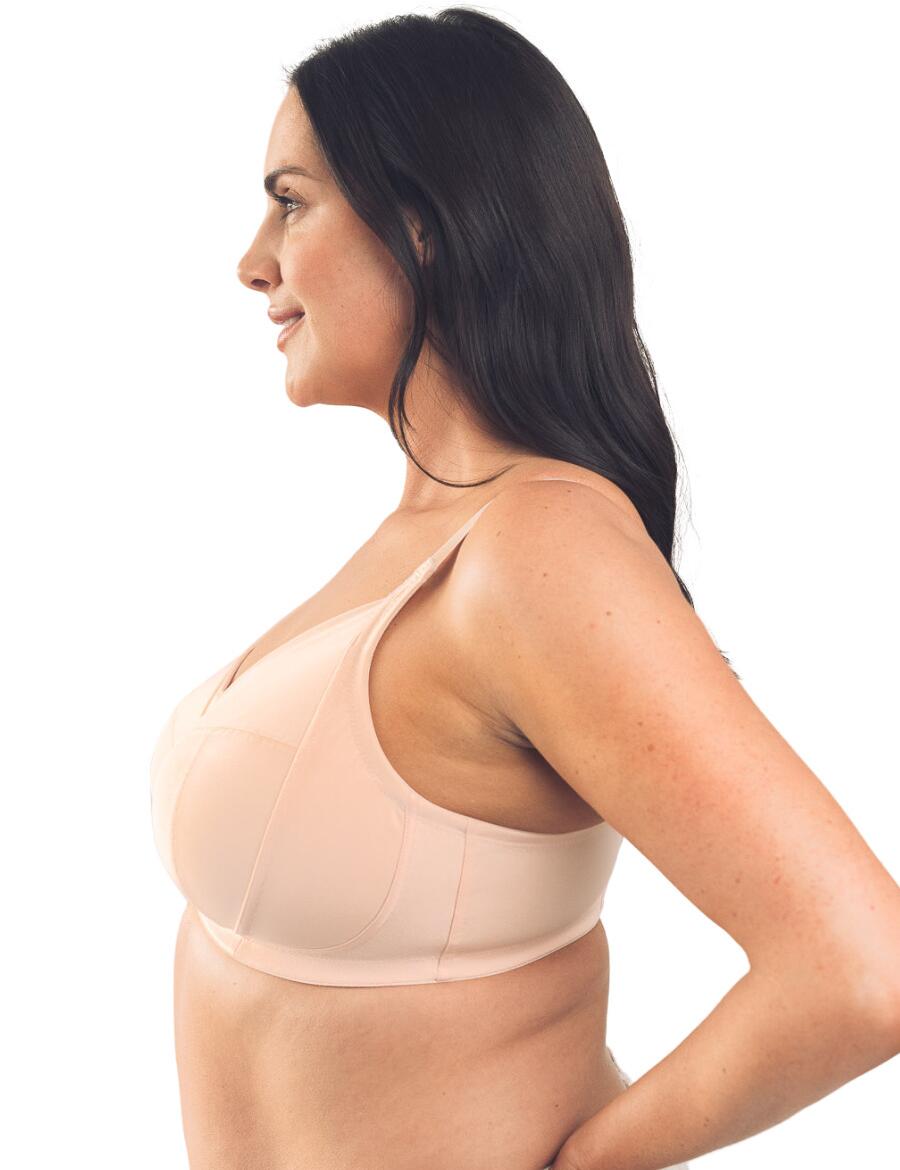
Full cup bras
The most reliable everyday choice for a fuller bust. The extra coverage contains all the tissue, prevents bulge, and gives a smooth, secure line. Three-piece cups lift and project beautifully.
Best for: dependable daily support, especially a D cup and above.
Shop full cup bras
Front fastening 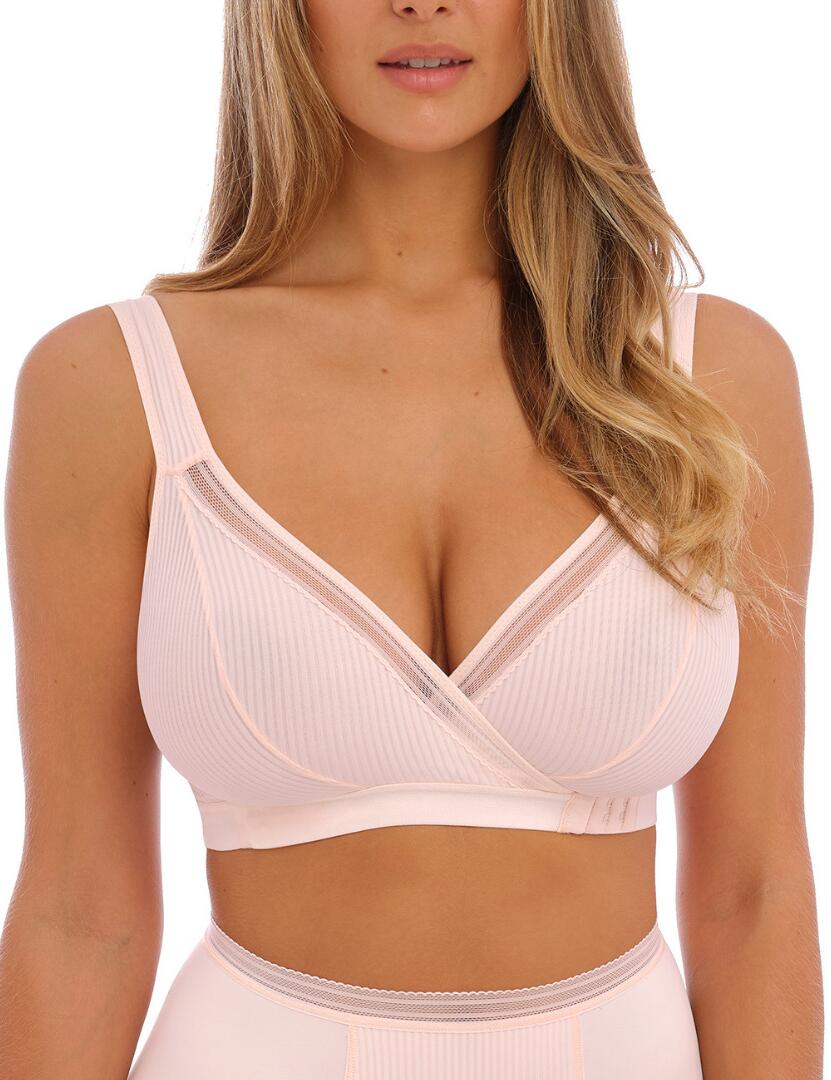
Front-fastening bras
The single most useful change if reaching behind your back is uncomfortable. It fastens at the centre with hooks, a zip or poppers, so it goes on with one simple forward movement.
Best for: arthritis, joint pain or restricted shoulder movement.
Shop front-fastening bras
Non-wired 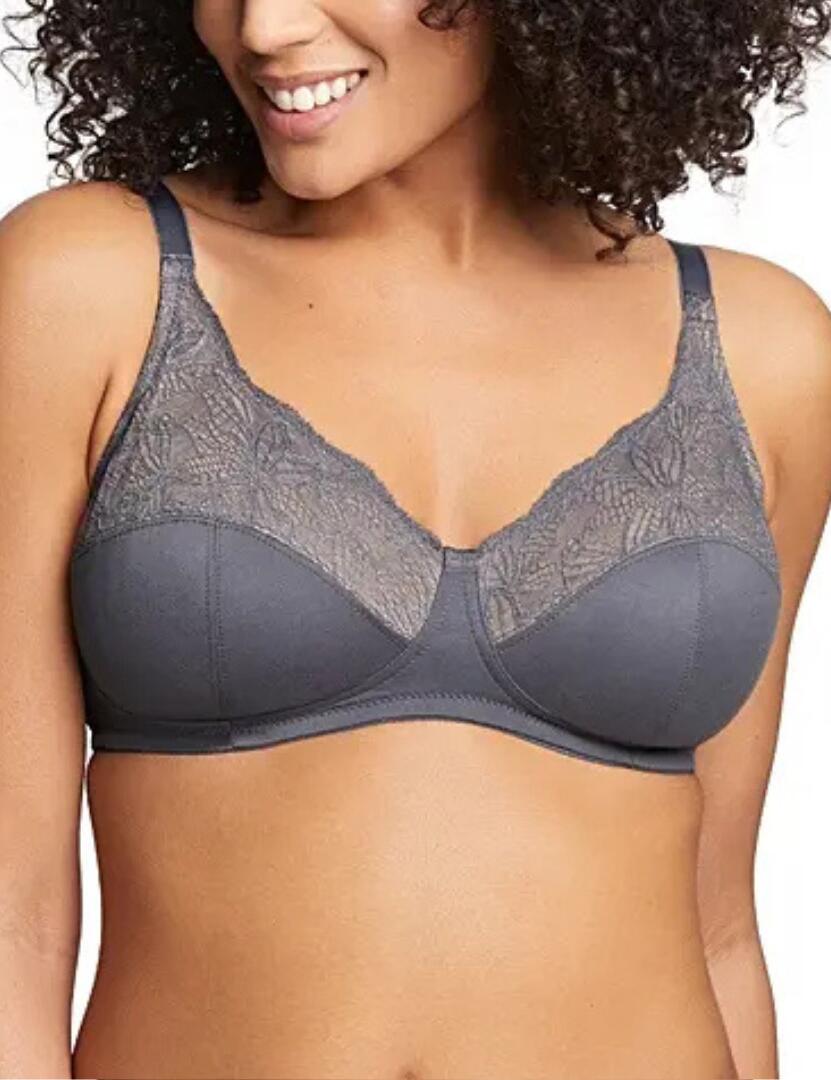
Non-wired & soft cup bras
Not a flimsy bralette. Modern soft cup designs use clever seaming and supportive fabric to give genuine shape and lift, with no wire pressing into the ribcage.
Best for: sensitive skin and relaxed all-day wear.
See the Royce Joely
Side support 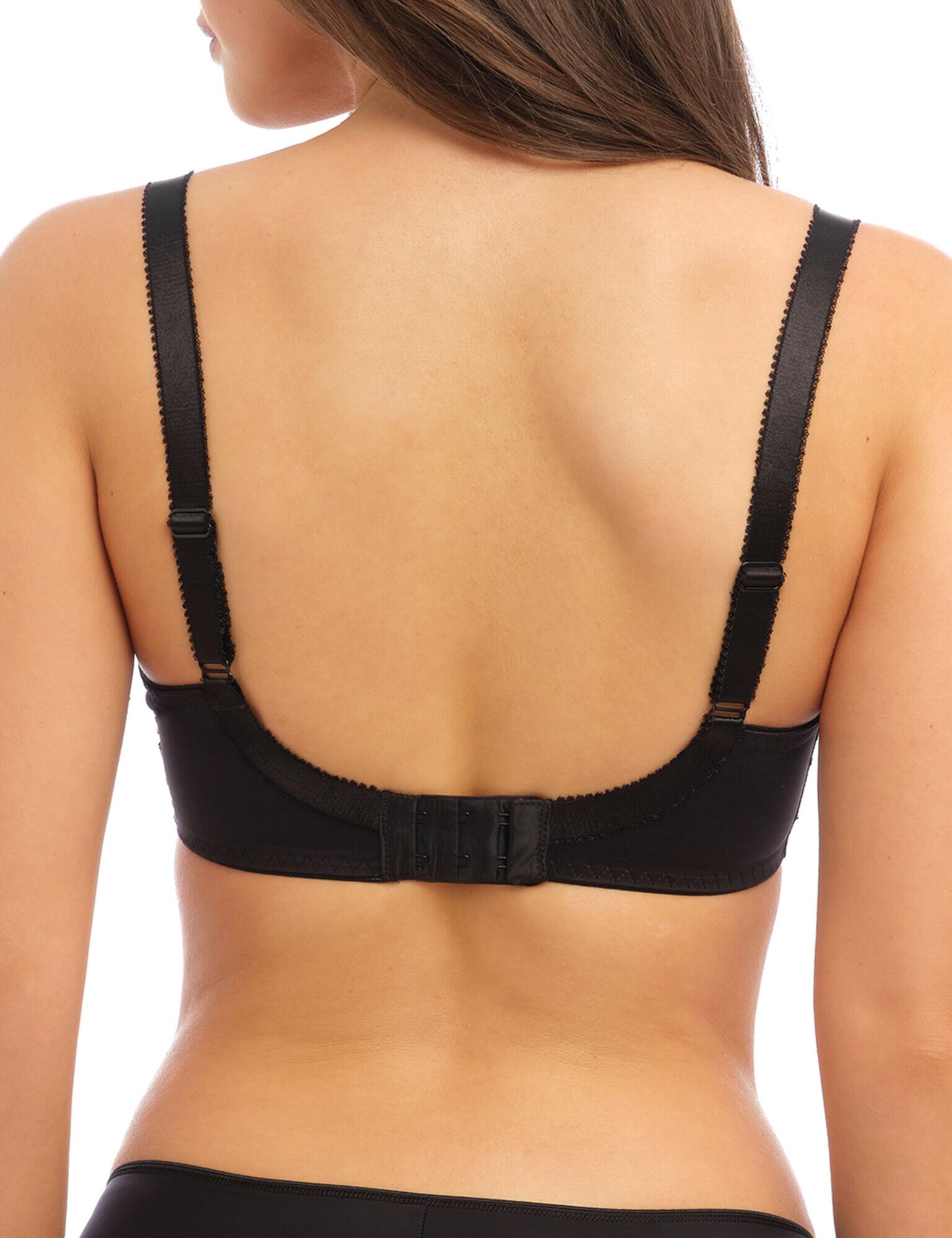
Side support bras
A panel built into the side of the cup pushes the breast forward and centres it, lifting and separating for a rounder, more defined shape. Flattering under fitted tops.
Best for: noticeable lift and a smoother silhouette.
Explore supportive bras
T-shirt bra 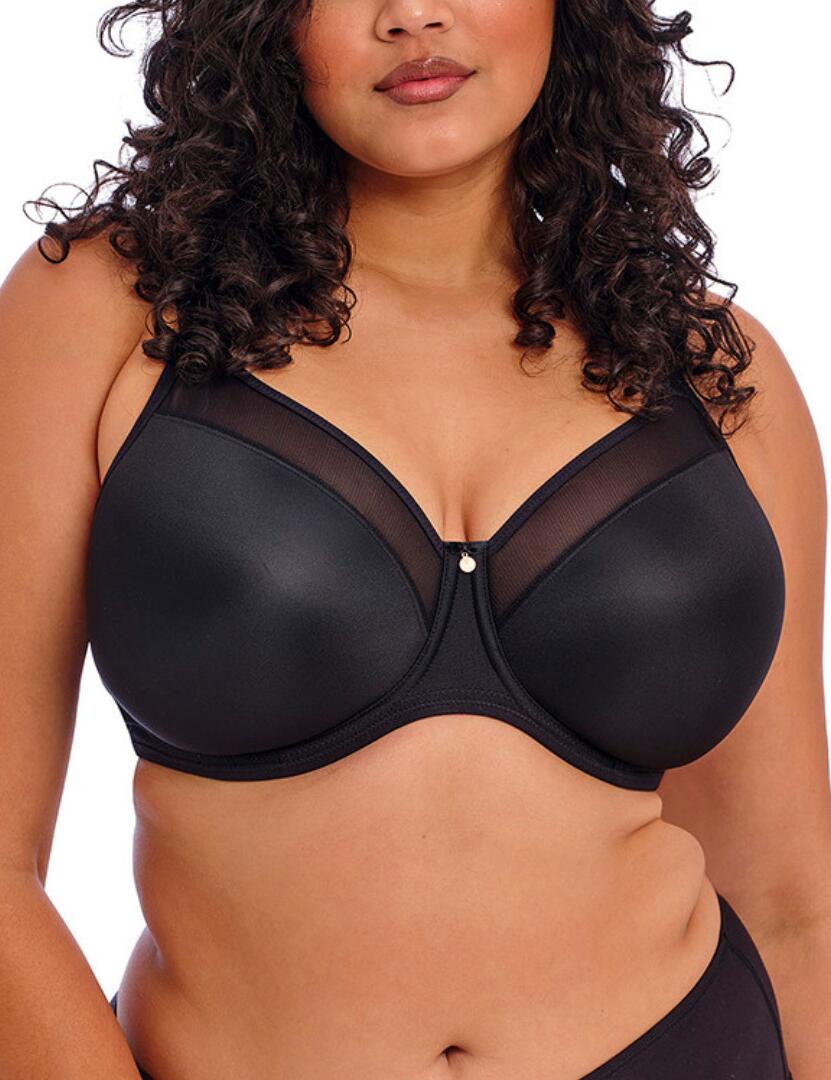
T-shirt bras
Smooth, seam-free moulded cups designed to disappear under close-fitting clothing. One of the easiest styles to live in for everyday wear.
Best for: an invisible line under everyday clothes.
Browse everyday bras
Sports bra 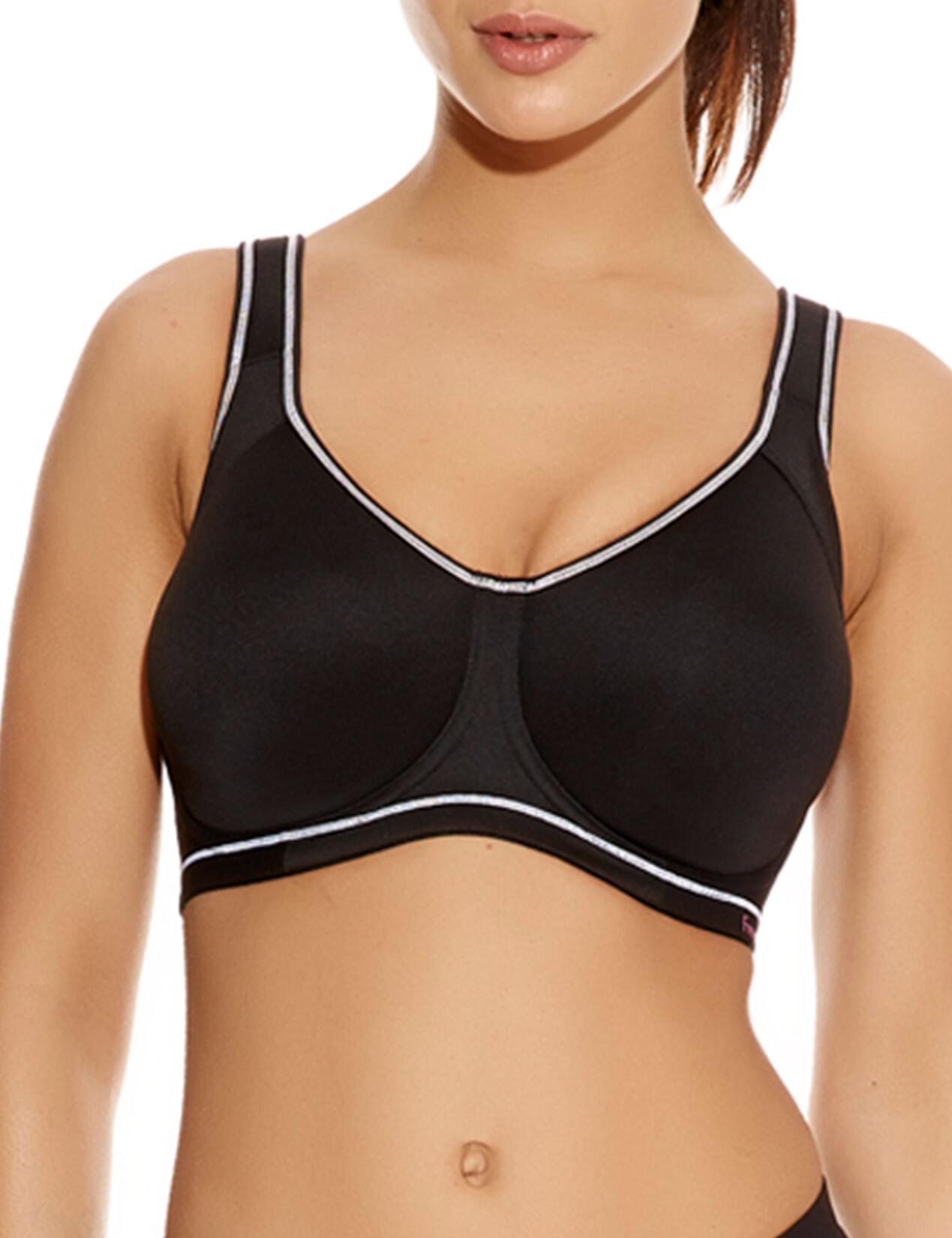
Sports bras
Limiting movement protects the already softened ligaments and keeps walking, gardening or yoga comfortable. A moulded, breathable design supports without bulk.
Best for: staying active at any age.
Shop sports bras
Post-surgery bras, for comfort while you heal and beyond
After breast surgery, whether a mastectomy, reconstruction, or other procedure, a specialist post-surgery bra provides gentle, wire-free comfort and support during healing. Many include pockets to hold a prosthesis securely. Soft seams and front fastening make them easy to wear when movement is limited. See the post-surgery bra range.
A specialist post-surgery bra: soft, wire-free and easy to fasten, designed for comfort while movement is limited.
Choosing a bra for sagging or softer breasts
Breasts settling lower is one of the most common changes women ask about, and the right bra makes a genuine difference to both comfort and shape. A few features lift and support softer breasts well.
- Full coverage cups that contain and gently round the whole breast.
- Side support panels that bring the breast forward and up.
- A firm band that anchors everything securely around the ribcage.
- Wider, adjustable straps that spread the weight without digging in.
Three-piece cups give better lift than a single moulded cup. Whether you choose wired or wireless is down to personal comfort. Both can support a softer bust well when the band fits properly, because it is the band, not the wire, doing most of the work.
It is widely estimated that around 80% of women are wearing the wrong bra size, often because we are measured once and never revisit it.
How to get the fit right
An ill-fitting bra is not just uncomfortable. It can contribute to back and shoulder pain, leave red marks, and dig in at the band or straps. If that sounds familiar, our guide on why your bra hurts your back is worth a read.
Run through the four checks below. Tap Yes or No for each, and we will tell you whether your current bra is pulling its weight.
The two-minute fit check
Wearing your everyday bra? Answer honestly as you go.
Does the band sit level all the way around, firm but not tight? If it rides up at the back, it is too loose.
Slip the straps off your shoulders – does the bra still support you? If everything drops, the band is doing too little.
Does the breast sit fully inside the cup, with no spilling or gaping? Spillage means too small; wrinkling means too big.
Does the centre panel sit flat against your breastbone? It should rest against you, not float away.
Answer the four questions above to see how your bra is doing.
Because brands and styles vary, the most reliable approach is a proper fitting. Our bra fitting guide walks you through measuring at home, or you can use the bra size calculator to get started. It is worth rechecking your size once a year, or any time your body changes.
Common fit problems and what they mean
If your bras feel "off" but you cannot say why, the issue is usually one of these. Each points to a specific fix.
- Breast spilling over the cup. The cup is too small, or the style does not suit your shape. Try a larger cup or a fuller-coverage style.
- Cups gaping or wrinkling. The cup is too big, or a moulded cup is not following your shape. A lightly lined or soft cup will mould more closely.
- Band riding up at the back. The band is too loose. Go down a band size, and up a cup size to keep the same overall volume.
- Straps digging into your shoulders. The band is not pulling its weight. A firmer band takes the load off your shoulders.
- Bulging at the side or back. The band or wings are too narrow. Look for wider side panels and smoothing wings.
Looking after your bras
A good bra rewards a little care. Hand washing in cool water, or using a delicates bag on a gentle machine cycle, protects the elastic and keeps the shape. Always air dry rather than tumble dry, as heat breaks down the stretch. Rotating between a few bras rather than wearing the same one daily lets the elastic recover between wears and makes every bra last longer.
When the band has lost its grip, the straps no longer hold, or the fabric is worn or no longer fits the shape you are now, it is time to replace it. A bra that has stopped supporting you is not doing its job, however much you like it.
Frequently asked questions
What type of bra is best for older women?
There is no single answer, because it depends on your shape and your needs. As a general rule, a full cup or side support bra with a firm band and wider straps suits most women well for everyday wear. If stiff hands or shoulders make fastening difficult, a front-fastening bra is the best choice. If underwires feel uncomfortable, a well-made non-wired soft cup bra gives support without the pressure.
Are wireless bras better for older women?
Wireless bras are often more comfortable for everyday wear, especially if you have sensitive skin or find underwires press uncomfortably. They are not automatically more supportive, though. A modern non-wired bra with a firm band and good cup construction can support a fuller bust very well, because most of the support comes from the band rather than the wire. It comes down to personal comfort, so it is worth trying both.
What is the best bra for sagging breasts?
Look for a full coverage cup that contains the whole breast, side support panels that lift and bring the breast forward, a firm band, and wider adjustable straps. Three-piece cups give better lift than a single moulded cup. Both wired and wireless styles can work well, provided the band fits firmly.
Why do my bras feel uncomfortable since the menopause?
The menopause changes breast tissue and skin sensitivity, and it often changes your size too. A bra bought a few years ago may no longer fit the shape you are now. Getting remeasured and trying softer, breathable fabrics with wider straps usually solves it.
How often should I replace my bra?
When the band has stretched and rides up, the straps no longer hold, the fabric is worn, or it simply no longer fits your shape, it is time for a new one. Caring for your bras well extends their life, but every bra reaches a point where it stops supporting you properly.
What bra is best if I have arthritis?
A front-fastening bra is the easiest option, as it removes the need to reach behind your back. Look for one with a comfortable centre fastening, slightly padded straps, and a soft lining. Some styles fasten with a zip or poppers, which can be easier than small hooks if your grip is reduced.
Finding your bra
Getting older does not mean settling for a bra that simply does a job. It means choosing one that fits the body you have now, supports you properly, and feels good to put on. Comfort, support and style are not a trade-off – with the right fit, you can have all three.
Browse the bra collection